

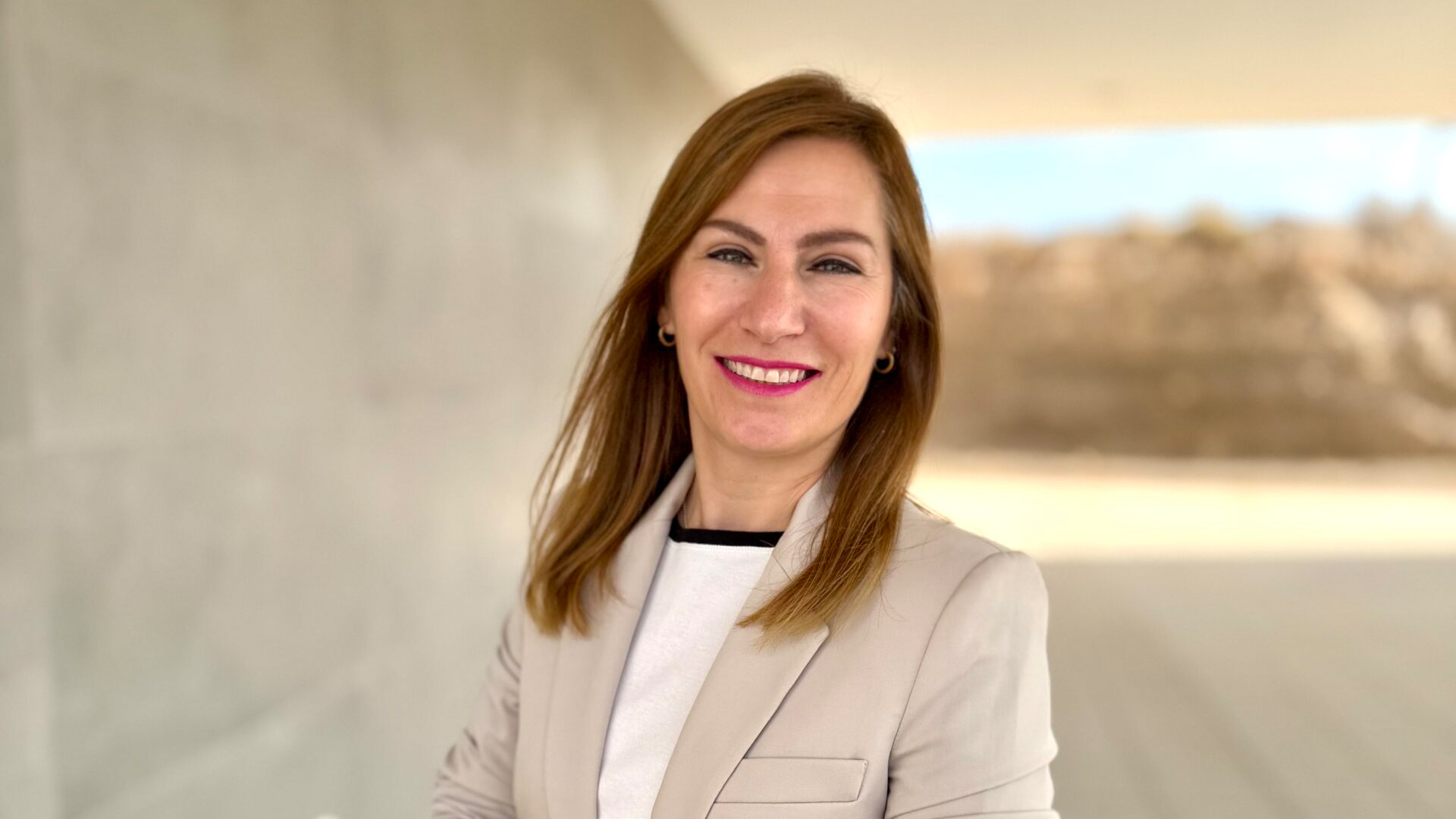
Monitoring a plant or facility in real time 24 hours a day, 365 days a year, is a cornerstone of ensuring infrastructure availability and profitability. We spoke with María Pilar Sánchez, Head of the Remote Control Center (RCC) at GRS O&M (Operation and Maintenance), to understand how this “control tower” operates and how it directly impacts their clients’ business.
1. To set the context, what is the primary day-to-day function of the Remote Control Center (RCC)?
Maria Pilar Sanchez: The RCC is the operational core from which we centrally monitor and manage all the facilities under our care. We operate with continuous 24/7 surveillance, receiving real-time data from every asset.
Our main role is active supervision, early incident detection, and executing remote operations whenever the facility allows it. We are the eyes that never close, ensuring that the plants run at peak performance.
2. What specific advantages does a client gain by having RCC coverage?
Maria Pilar Sanchez: Clients primarily gain three key benefits:
-
Immediate response time: In the event of a shutdown or fault, the RCC detects the alarm instantly. In many cases, we can reset or resolve the issue remotely within minutes, eliminating the need to wait for a technician to travel on-site.
-
Efficient field staff coordination: When an issue requires physical presence, the RCC performs the initial triage and dispatches the appropriate technical team with a preliminary diagnosis, drastically reducing plant downtime.
-
Safety and traceability: All operations and events are logged with complete transparency, enabling the assessment of actual performance and ensuring compliance with regulatory and grid requirements.
3. How does the RCC interact with technological tools such as SCADA systems, CMMS, or IoT platforms?
Maria Pilar Sanchez:The RCC integrates all these technologies into a single working environment. SCADA systems and IoT platforms supply us with real-time operational data, while integration with SunManager, our in-house developed CMMS software, allows us to centralize our entire operations within a single platform and automatically convert critical alarms into work orders for field teams. This integration reduces human error and streamlines the entire chain of command from the moment an alert is triggered until it is resolved.
4. How does the RCC team ensure smooth communication with the client when an unforeseen issue arises?
Maria Pilar Sanchez:Communication and transparency are essential. We follow clear notification protocols tailored to the severity of each event. When a significant incident occurs, we notify the client through established channels, providing accurate details regarding the impact, the remote actions already taken, and the active action plan underway on the ground.
5. Where is the RCC heading in the future?
Maria Pilar Sanchez: We are moving toward an increasingly predictive and automated remote management model. Combining traditional 24/7 monitoring with predictive analytics will allow us to address and resolve incidents before the client even notices a drop in production.


